Stop Measuring Your Turmeric — Start Watching the Clock Instead
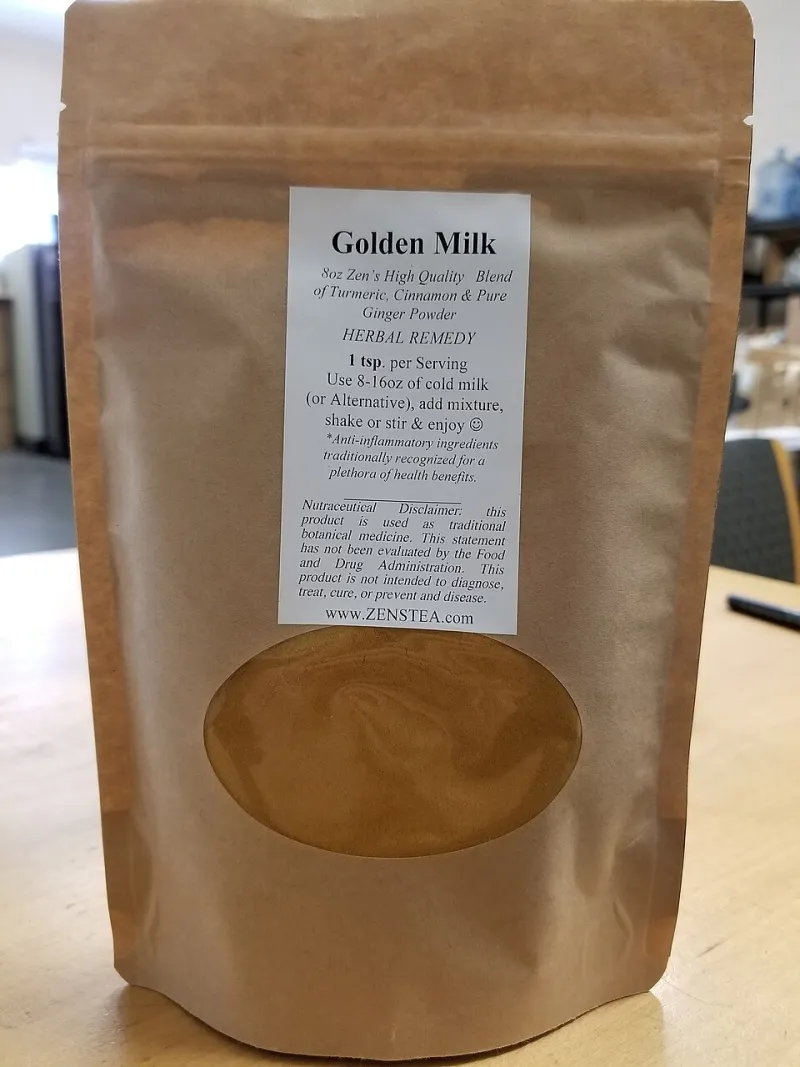
Photo: Teatime34, CC BY-SA 4.0, via Wikimedia Commons
Walk down the supplement aisle at any Whole Foods or Sprouts, and you'll find turmeric capsules promising everything from joint relief to glowing skin. The labels are covered in milligrams, percentages, and standardized curcumin extracts. Everyone's talking about how much to take. But here's the thing — the ancient Punjabi kitchen tradition that gave the world turmeric in the first place never really cared about the quantity. It cared about the moment.
Timing, it turns out, might be the most underrated variable in your wellness routine.
What Ayurveda Actually Says About Turmeric
In Ayurvedic medicine — which has been woven into Punjabi culinary culture for thousands of years — every herb and spice carries what's called a prabhava, a unique action that interacts with the body's natural rhythms. Turmeric, or haldi as it's called across Punjab, isn't treated as a static supplement. It's a dynamic ingredient whose effects shift depending on when it enters your body, what it's paired with, and what your digestive fire (agni) is doing at that hour.
Traditional Ayurvedic practitioners divided the day into phases governed by the three doshas — Vata, Pitta, and Kapha. Turmeric's warming, bitter, and astringent qualities make it particularly aligned with specific windows in that daily cycle. This isn't mysticism. It's a functional framework that modern chronobiology is now beginning to validate in its own language.
The Morning Window: Waking Up Your Digestive Fire
In countless Punjabi households — and this holds true in villages across the region today — the day starts with a small glass of warm water mixed with a pinch of turmeric and sometimes a little raw honey. Not a heaping spoonful. Just a pinch.
Why morning? Ayurveda considers the early hours, roughly from 6 to 10 a.m., a Kapha-dominant period — heavy, slow, and cool. The digestive system is essentially warming up, and turmeric's natural thermogenic and bile-stimulating properties help kick that process into gear. Modern gastroenterology would describe this differently, but the mechanism lines up: curcumin, turmeric's primary active compound, has been shown in clinical studies to stimulate bile production, which is essential for breaking down dietary fats and preparing your gut for the day ahead.
For US readers building a morning routine, this is your easiest entry point. A simple warm turmeric tonic — water, a quarter teaspoon of organic turmeric, a crack of black pepper (which dramatically boosts curcumin absorption), and a small drizzle of honey — takes about two minutes and works with your body's natural digestive startup, not against it.
Midday: Turmeric in Food, Not as a Supplement
Here's where Punjabi food culture really shines. The midday meal in traditional Punjab was always the largest, and it almost always included turmeric as a cooking ingredient rather than an add-on. Think lentil daal simmered with turmeric and ghee, or sabzi (vegetable curries) where haldi is bloomed in oil before anything else hits the pan.
Ayurveda identifies midday — roughly 10 a.m. to 2 p.m. — as Pitta time, when digestive fire is at its strongest. This is when the body is most capable of processing complex compounds like curcumin, especially when it's cooked into food alongside fats. Curcumin is fat-soluble, meaning it absorbs significantly better when consumed with a lipid source. Cooking turmeric in ghee, as Punjabi recipes have done forever, isn't just a flavor choice. It's a delivery mechanism.
Chronobiologists have noted that enzyme activity in the gut, including those responsible for metabolizing polyphenols like curcumin, peaks in the early afternoon. Eating your turmeric-rich meals at lunch rather than dinner isn't just tradition — it may genuinely improve how much of that golden compound your body actually uses.
The Evening Ritual: Golden Milk and the Wind-Down Window
If you've ever had a proper cup of haldi doodh — golden milk — in a Punjabi home, you know it's an evening thing. Not a breakfast thing, not a mid-afternoon snack. It's served after dinner, sometimes before bed, always warm, always with a generous amount of whole milk and a touch of ghee.
This timing is intentional. Ayurveda views the late evening as a period for restoration and cellular repair. Turmeric's anti-inflammatory properties, particularly its ability to modulate NF-kB pathways (a key inflammatory signaling mechanism), may be most impactful during the body's overnight repair cycle. Some researchers studying circadian immunology have suggested that inflammatory markers tend to peak in the early morning hours, which means consuming anti-inflammatory compounds in the evening could provide a kind of preemptive buffer.
Golden milk also pairs turmeric with warm whole milk, which contains tryptophan and small amounts of melatonin precursors. Combined with turmeric's calming, Vata-balancing properties, it's a genuinely functional wind-down drink — not just a cozy trend.
Building Your Turmeric Timeline
You don't have to overhaul your life to apply these principles. Here's a simple daily framework inspired by traditional Punjabi timing wisdom:
Morning (6–9 a.m.): Warm turmeric tonic on an empty stomach. Quarter teaspoon turmeric, pinch of black pepper, warm water, optional honey. Supports bile flow and digestive startup.
Midday (11 a.m.–2 p.m.): Cook with turmeric. Add it to lentils, roasted vegetables, grain bowls, or soups. Combine with a fat source — ghee, olive oil, or coconut oil — for optimal absorption during peak digestive hours.
Evening (7–9 p.m.): Golden milk. Warm whole milk or oat milk, half teaspoon organic turmeric, a pinch of cardamom, a small amount of ghee or coconut oil, and a touch of sweetener if needed. Sip slowly. Let it do its overnight work.
Quality Still Matters
None of this timing strategy works if your turmeric isn't worth using. Conventionally grown turmeric can carry heavy metal contamination and pesticide residue — a real issue that's come up in FDA testing over the years. The turmeric that traditional Punjabi families have relied on is grown in clean soil, harvested at the right maturity, and dried without chemical additives.
At Organic Blends Punjab, we source our haldi from small farms in the Punjab region where turmeric cultivation is still a family practice, not an industrial operation. The difference in color, aroma, and curcuminoid content is noticeable — and when you're trying to work with the plant's natural properties, starting with a genuine product matters.
The Bigger Idea
Turmeric isn't a pill you optimize with dosage charts. It's a living part of a culinary tradition that understood the body as a system with rhythms, not just a chemistry set. The Punjabi kitchen didn't produce golden milk and haldi-spiked daals by accident — it produced them through centuries of careful, embodied observation.
Modern science is starting to speak the same language. And if you're already adding turmeric to your routine, the simplest upgrade you can make isn't buying a higher-potency capsule. It's just paying attention to the clock.