You've Been Using Winter Spices Wrong — Here's What Punjabi Tradition Actually Teaches
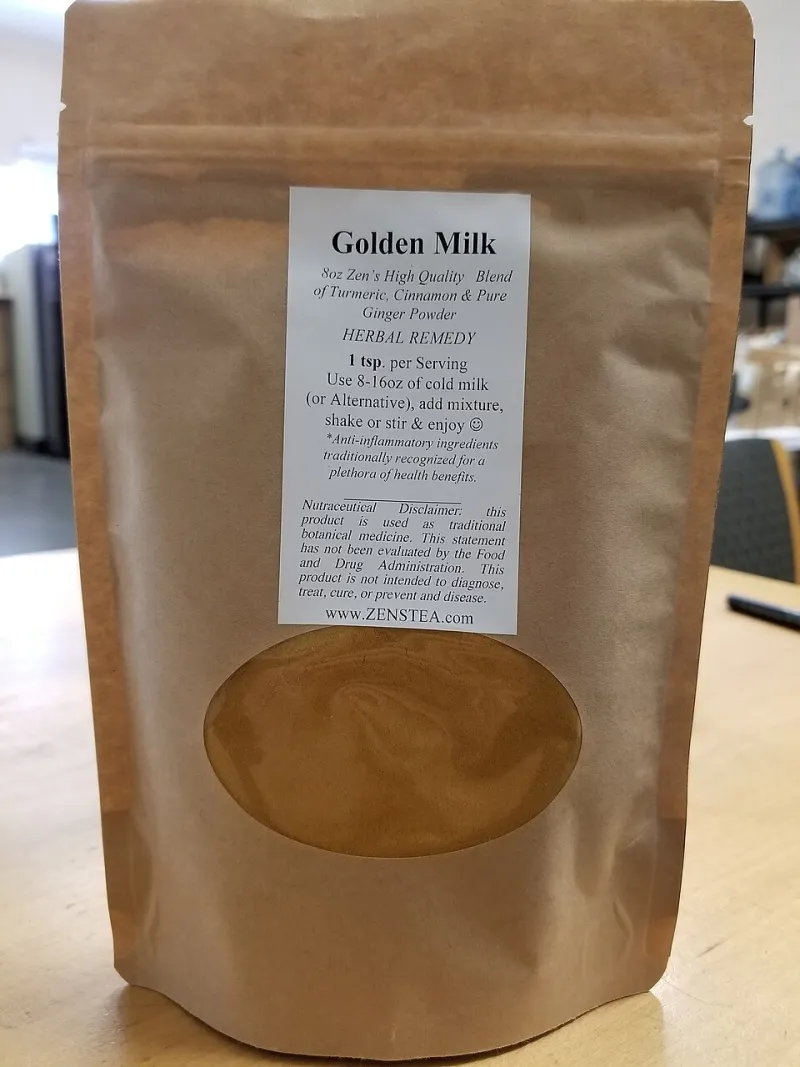
Every winter, millions of Americans reach for the same playbook: dump some turmeric into warm milk, maybe throw in a cinnamon stick, and call it immune support. And look, the intention is solid. But if you've been doing this and still catching every cold that cycles through your office, there's a reason — and it's not that spices don't work. It's that the method is off.
Punjabi culinary tradition didn't treat spices as flavor accessories. They were functional tools, used in specific combinations, at specific times of day, prepared in specific ways that actually unlocked their medicinal properties. Modern wellness culture borrowed the ingredient names and skipped everything else.
Let's fix that.
The Real Problem With How We Use Spices in the US
Walk into any American grocery store and you'll find turmeric capsules, cardamom-infused coffee creamers, and fenugreek supplements lined up like a wellness aisle greatest hits. The marketing is great. The application? Usually disconnected from the knowledge that made these ingredients valuable in the first place.
Traditional Punjabi kitchens — particularly in the colder months — operated on a seasonal logic. Winter wasn't just a time to stay warm. It was understood as a period when the body's digestive fire, what Ayurvedic tradition calls agni, needed active support. Spices weren't chosen randomly. They were selected and combined to work together, often in ways that modern science is only now beginning to validate.
The problem isn't the spices. It's that we've isolated them, mistimed them, and in many cases, neutralized their benefits through poor preparation.
Cardamom: The Spice You're Using at the Wrong Time of Day
Cardamom is wildly popular in American food culture right now — you'll find it in holiday cookies, fancy lattes, and artisan granolas. What you won't find is much guidance on when to consume it, which turns out to matter a lot.
In traditional Punjabi households, cardamom was used strategically in the morning — often steeped in tea or added to warm water — to support respiratory health and open up congested airways. It's a natural expectorant, and its volatile oils are most bioavailable when consumed on a relatively empty stomach with heat as a carrier.
Using it in a 3pm dessert isn't doing much for your immune system. It tastes great, but you're missing the functional window. Try adding two or three green cardamom pods to your morning tea or warm water instead. Crush them slightly first — the oils need to be exposed to work.
Black Pepper Isn't Just a Table Condiment
This one might be the most underestimated spice in the American pantry. Black pepper sits on the dinner table and gets a few shakes over scrambled eggs. That's about it for most households.
But in Punjabi spice traditions, black pepper was considered a critical catalyst — not a standalone ingredient. Its role was to enhance the absorption of other compounds, particularly curcumin from turmeric (which is now well-documented in nutritional science) but also the active compounds in ginger, fenugreek, and long pepper.
The practical takeaway: stop using black pepper in isolation and start pairing it intentionally. A pinch of freshly cracked black pepper added to any turmeric or ginger preparation meaningfully increases what your body actually absorbs. Pre-ground pepper that's been sitting in a shaker for six months? Much weaker. Fresh-cracked, used immediately, makes a real difference.
Fenugreek: The Winter Spice Nobody Talks About
Fenugreek doesn't get the Instagram treatment that turmeric does. It's slightly bitter, it smells unusual to people who didn't grow up with it, and it requires a little more effort to incorporate. Which is probably why it's been left out of the American wellness conversation almost entirely — and that's a shame.
Traditionally, fenugreek seeds were used throughout Punjab during winter months for their warming properties and their ability to support healthy blood sugar regulation, which becomes particularly relevant during a season full of heavy, sweet foods. They were often soaked overnight and consumed in the morning, or dry-roasted and ground into spice blends used in savory dishes.
The soaking step is important and often skipped. Raw fenugreek seeds contain compounds that can be harder to digest. Soaking them overnight softens the seeds, reduces bitterness, and makes their beneficial properties more accessible. A teaspoon of soaked fenugreek seeds with warm water in the morning is one of the simplest traditional winter wellness practices — and one of the least known outside of South Asian communities.
Asafoetida: The Intimidating Spice That's Worth Getting to Know
Asafoetida — called hing in Punjabi and Hindi — is the spice that makes people nervous. It smells intensely pungent right out of the jar, which is enough to send most American home cooks running. But cooked even briefly in warm oil or ghee, it transforms completely, adding a savory, almost garlic-leek depth to dishes.
More relevantly for winter wellness: asafoetida has long been used in Punjabi cooking as a digestive aid, specifically to reduce bloating and gas that come with heavier winter diets loaded with legumes, root vegetables, and rich dairy. Traditional dal recipes almost always include a small pinch of hing in the tempering — not for flavor alone, but because lentils and beans are harder to digest, and asafoetida helps mitigate that.
If you're eating more comfort food this winter (and honestly, who isn't), adding a tiny pinch of asafoetida to your cooking oil before you sauté onions or build a soup base is an easy, low-effort way to support your gut through the season. Start small — a little goes a long way.
The Combination Principle: Why Spices Work Better Together
Here's the piece that modern wellness culture consistently misses: in traditional Punjabi cooking, spices were rarely used in isolation. They were combined deliberately, with each ingredient serving a specific role — some warming, some opening circulation, some aiding absorption, some supporting digestion.
A classic winter spice preparation might include cardamom for the respiratory system, black pepper as an absorption catalyst, ginger for circulation and warmth, and a small amount of fenugreek for metabolic support. Together, they create a synergistic effect that none of them achieve alone.
This is fundamentally different from taking a turmeric supplement and expecting results. It's a food-as-system approach, and it's why Punjabi grandmothers weren't consulting a wellness blog — they had generations of practical knowledge baked into how they cooked.
Getting Started Without Overhauling Your Kitchen
You don't need to transform your entire pantry to start applying some of this. A few practical starting points:
- Swap your morning coffee a few days a week for a cardamom-ginger tea made with whole pods and fresh ginger. It's warming, it's easy, and your body will notice the difference.
- Add black pepper intentionally — whenever you're cooking with turmeric or ginger, finish with freshly cracked pepper. Make it a habit.
- Try soaked fenugreek seeds once a week in the morning. The taste is mild when soaked, and the benefits stack up over time.
- Keep asafoetida in your spice cabinet and use a pinch any time you're cooking beans, lentils, or heavy winter stews.
None of these are dramatic changes. But they're rooted in a tradition that understood something important: the right ingredient used the right way, at the right time, with the right companions, is an entirely different thing than the same ingredient thrown into a smoothie as an afterthought.
This winter, your immune system deserves the real version.