Eating With the Rain: How Punjab's Monsoon Food Traditions Can Strengthen Your Immunity All Year Long

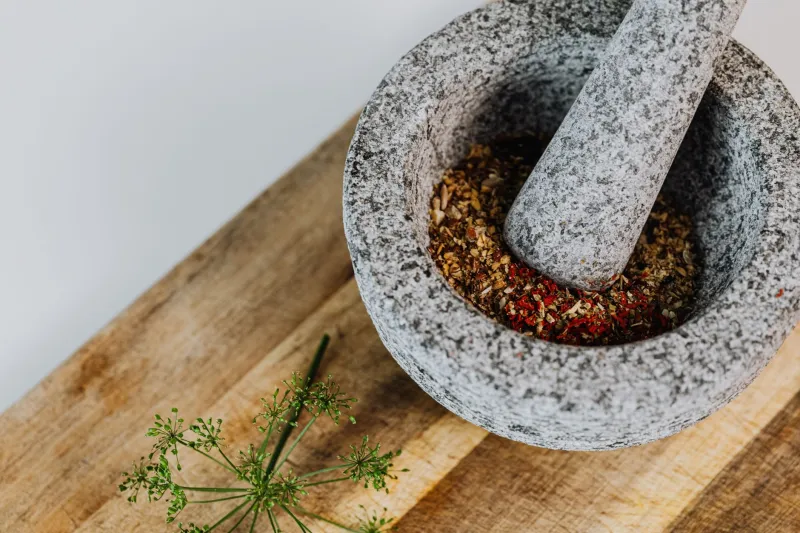
Photo by Photo by Chinh Le Duc on Unsplash on Unsplash
In Punjab, the arrival of monsoon rains didn't just change the weather — it changed everything on the plate. The heavy, protein-rich foods of summer gave way to lighter, spice-forward meals. Specific herbs appeared in cooking that hadn't been used in months. Warming drinks replaced cold lassi. And the whole family's health, by most accounts, held steady through one of the most microbially active seasons of the year.
This wasn't coincidence. It was centuries of careful observation — of watching what happened when people ate certain foods during certain seasons, and adjusting accordingly. Modern immunology is now catching up to what Punjabi kitchens figured out long ago.
What Actually Happens During Monsoon Season in Punjab
The monsoon in Punjab typically runs from late June through September. Humidity spikes dramatically, temperatures stay warm but unstable, and the combination creates ideal conditions for bacterial and fungal growth — both in the environment and in food. Waterborne illnesses become more common. Respiratory infections circulate more freely. The immune system, in short, has a harder job to do.
Traditional Punjabi food culture responded to this by making the diet itself more protective. "There's a saying in our family that you eat light but you eat smart during the rains," says Gurpreet Singh, a food historian and culinary researcher based in New Delhi who has spent years documenting regional cooking traditions. "The goal was never to fill the stomach — it was to fortify the body."
The dietary shifts were specific and consistent across households: more turmeric, more ginger, more bitter greens. Less raw food. Less dairy in its fresh form, replaced instead by fermented options like lassi and curd. Heavier grains were swapped for easier-to-digest preparations. And certain spice blends — particularly those featuring ajwain, black pepper, and long pepper — became daily staples rather than occasional additions.
The Immunology Behind the Instinct
So why did these specific changes work? Dr. Priya Nair, an integrative immunologist at a research hospital in Houston who grew up in a Punjabi household, has spent years looking at this question.
"What's striking when you analyze traditional monsoon-season Punjabi cooking through an immunological lens is how many of the key ingredients directly modulate innate immunity," she explains. "Turmeric's curcumin upregulates certain immune pathways while reducing inflammatory overreaction. Ginger has documented antiviral properties. Ajwain contains thymol, which is genuinely antimicrobial. These aren't folk remedies — they're functional compounds."
The reduction in raw foods during monsoon season is also scientifically grounded. Raw vegetables and fruits carry higher microbial loads during humid months, and cooking — particularly the long, slow cooking common in Punjabi dal and sabzi preparations — neutralizes pathogens that would otherwise stress the gut-associated immune system. The shift toward fermented dairy over fresh milk follows similar logic: beneficial bacteria in curd and lassi compete with and crowd out harmful microbes.
Mapping Punjabi Monsoon Wisdom to American Seasons
Here's the useful part for those of us living in the US: you don't need to experience a Punjab monsoon to benefit from this seasonal intelligence. The underlying principles — eating in response to environmental conditions, fortifying immunity before stress peaks, and adjusting spice use to match climate — translate directly to the American seasonal calendar.
Late Summer (July–September): This is your functional monsoon equivalent in most of the US. Humidity is high in the Midwest, Southeast, and Mid-Atlantic. Bacterial growth accelerates. This is the time to increase warming spices even in the heat, add fermented foods to every meal, reduce raw salads in favor of lightly cooked vegetables, and lean into turmeric-forward dishes like golden milk and spiced dal.
Fall (October–November): In Punjabi tradition, the post-monsoon period is when the body prepares for cold. Heavier grains return, sesame seeds appear in snacks and sweets, and root vegetables become central. In American terms, this is your signal to start cooking with mustard seeds, fenugreek, and warming root preparations — not just because they taste good, but because they prime the immune system for what's coming.
Winter (December–February): Traditional Punjabi winter cooking is unapologetically rich — ghee, dried fruits, nuts, and long-simmered proteins. This isn't excess; it's insulation. Adipose tissue and fat-soluble vitamins from ghee and sesame support immune function during the months when vitamin D from sunlight is lowest. For Americans, this means embracing the hearty, fat-inclusive cooking that Punjabi tradition never abandoned.
Spring (March–May): This is the lightest season in traditional Punjabi eating. Bitter greens like sarson (mustard greens) and methi (fenugreek leaves) dominate. These bitter compounds stimulate liver detoxification and help the body clear the metabolic residue of winter. Americans can find both at most Indian grocery stores and, increasingly, at farmers markets.
The Moisture-Rich Ingredient Principle
One of the less obvious aspects of monsoon-season Punjabi cooking is the emphasis on moisture-rich preparations during humid months — and this seems counterintuitive at first. If it's already humid outside, why eat wetter foods?
The answer lies in mucosal immunity. The mucous membranes lining the respiratory and digestive tracts are the body's first line of defense against airborne and foodborne pathogens. Keeping them well-hydrated and supported with nutrients — particularly zinc, vitamin A, and the short-chain fatty acids found in properly cooked dal — makes them more effective barriers. Traditional monsoon foods like thin khichdi (rice and lentil porridge), warm soups, and spiced broths do exactly this.
"The mucous membrane connection is something I find really compelling," says Dr. Nair. "Traditional Punjabi monsoon cooking essentially maintains mucosal integrity at the exact time of year when it's most under threat. That's sophisticated immune support, even if nobody was using that language."
Starting Small: Three Seasonal Shifts Worth Making
You don't need to restructure your entire pantry to apply this thinking. Three practical starting points:
-
Add ajwain to your cooking from July through September. A pinch in flatbreads, soups, or roasted vegetables provides antimicrobial support during the highest-humidity months. Look for it at any Indian grocery store under the name carom seeds.
-
Switch from fresh to fermented dairy during warm, humid stretches. Swap fresh milk in smoothies for full-fat plain yogurt or a thin homemade lassi. Your gut microbiome will notice the difference.
-
Build a seasonal spice rotation. Lighter, more aromatic spices (coriander, fennel, fresh ginger) in summer. Deeper, resinous spices (fenugreek, black pepper, long pepper) in fall and winter. This mirrors what Punjabi kitchens have done for generations — and it works.
The monsoon taught Punjab's cooks something that took modern medicine much longer to articulate: your immune system isn't separate from your diet, and your diet shouldn't be separate from the season. Eat with the weather, and the weather won't knock you down.