The Digestive Blueprint Punjabi Kitchens Have Used for Generations (And Why Your Gut Is Begging You to Try It)
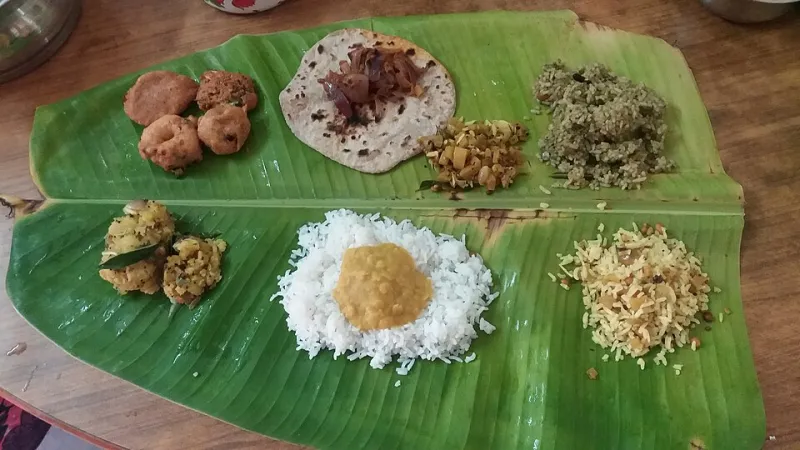
Photo: Madhubala Ravi, CC BY-SA 4.0, via Wikimedia Commons
If you've ever finished a big meal and spent the next hour on the couch in a bloated haze, you're not alone — but traditional Punjabi home cooks have been quietly solving this problem for centuries. The secret isn't a supplement or a detox tea. It's in the way the meal itself is built. From the ghee that tops a bowl of dal to the tiny pickle on the side of the plate, every element of a classic Punjabi meal has a digestive job to do.
We talked to nutritionists, Punjabi home cooks, and food researchers to find out what's really going on — and why so many Americans are unknowingly eating in ways that fight their own digestion.
It Starts Before the First Bite
Punjabi cooking doesn't treat digestion as an afterthought. It's baked into the structure of the meal before anyone sits down at the table. "My grandmother never served food without thinking about what was going to happen inside your body after you ate it," says Harpreet Kaur, a home cook from Amritsar who now lives in Fremont, California. "She didn't call it digestive science. She just called it cooking properly."
That "cooking properly" included specific sequencing, spice combinations, and pairings that modern nutritionists are now recognizing as genuinely sophisticated. The meal typically begins with something warm and liquid — a thin soup, a small cup of spiced buttermilk, or simply warm water with a pinch of ajwain (carom seeds). This isn't ceremonial. It's functional. Warm liquids stimulate gastric juices before the heavier proteins and starches arrive.
Registered dietitian Simran Dhaliwal, who specializes in South Asian nutrition patterns, explains it this way: "When you prime the digestive system with warmth and bitterness before a meal, you're essentially telling your stomach to get ready. You're not shocking it with a cold drink and a pile of food at the same time."
The Dal and Ghee Equation
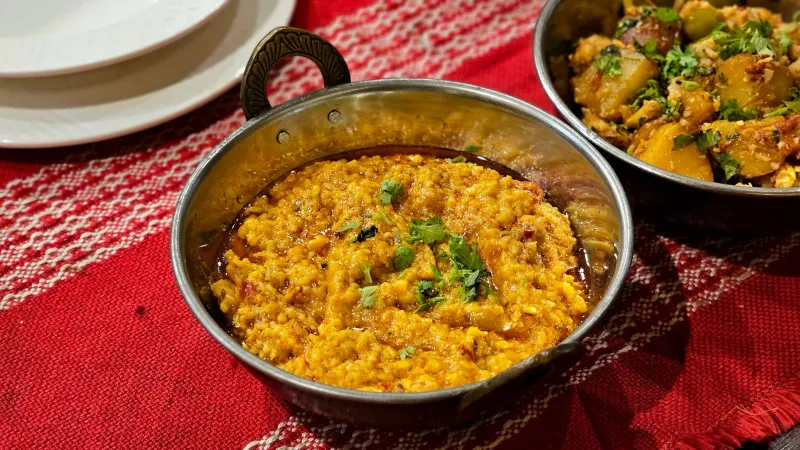
One of the most iconic pairings in Punjabi cooking — dal topped with a generous spoonful of ghee — looks indulgent from the outside. In America, the instinct is often to skip the fat. That's actually the wrong move.
Dal is rich in plant-based protein and fiber, both of which are excellent for gut health but can cause gas and bloating when eaten without fat. Ghee does something important here: it slows gastric emptying slightly, which gives the body more time to break down the complex proteins in lentils before they hit the large intestine. It also contains butyrate, a short-chain fatty acid that directly feeds the cells lining your colon.
"The ghee isn't just flavor," Dhaliwal says. "It's a delivery mechanism and a buffer. It makes the whole meal more bioavailable and significantly less likely to ferment in your gut before it's been properly digested."
This is why generations of Punjabi grandmothers never skipped the ghee — not because they didn't care about their health, but because they understood, intuitively, that fat and legumes belong together.
The Pickle Isn't a Garnish
A small portion of achaar — fermented Punjabi pickle — appears at almost every traditional meal. In the US, we tend to treat condiments as optional flavor boosters. In a Punjabi kitchen, the pickle is doing serious work.
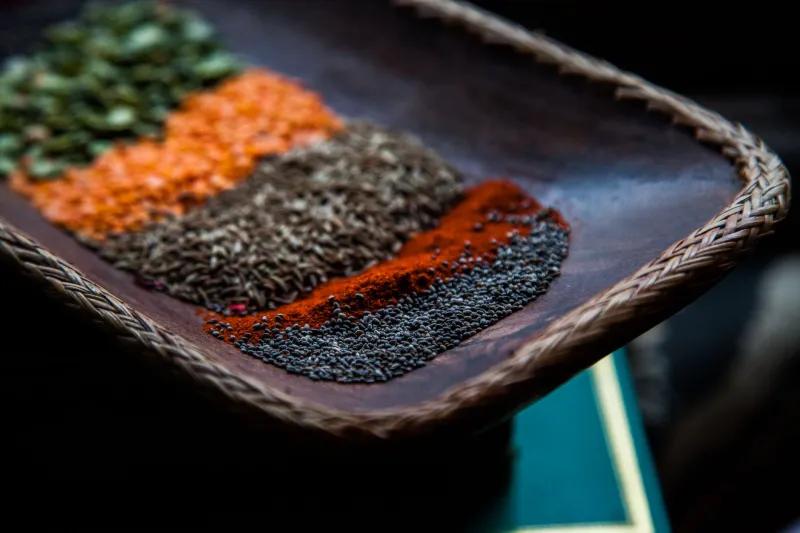
Traditional achaar is fermented in mustard oil with a blend of spices including fenugreek, fennel, and nigella seeds. The fermentation process produces beneficial bacteria, but the spice blend itself is where the real digestive action happens. Fenugreek seeds contain soluble fiber that feeds gut flora. Fennel relaxes smooth muscle in the digestive tract, reducing cramping and gas. Nigella seeds have been studied for their ability to reduce intestinal inflammation.
"One tablespoon of good achaar with a meal is worth more than most probiotic capsules," says Dr. Anjali Mehta, an integrative medicine physician based in Chicago who grew up in a Punjabi household. "The live cultures combined with those specific spices create a synergistic effect that a lab supplement can't easily replicate."
Spice Sequencing: Why Order Matters
Punjabi spice use isn't random, and it isn't just about flavor. The spices used at the beginning of cooking — whole cumin seeds, mustard seeds, and dried chilies bloomed in ghee — are different from the ones added at the end, like fresh ginger, raw garlic, or a squeeze of lime. This sequencing has a digestive logic.
Blooming whole spices in fat releases fat-soluble compounds that wouldn't otherwise be absorbed by the body. Cumin, for example, contains thymol, which stimulates bile production and helps the body break down fats more efficiently. Adding fresh ginger at the end preserves its active compounds — gingerols and shogaols — which are heat-sensitive and most effective when raw or lightly warmed.
"Every step in the process has a reason," says Harpreet. "My mother would say that a spice added at the wrong time is a wasted spice. She didn't know the chemistry, but she knew the results."
Roti Over Rice — And the Timing of It All
In traditional Punjabi meals, whole wheat roti is the primary carbohydrate. Unlike refined bread, whole wheat roti contains significant amounts of insoluble fiber, which adds bulk to stool and keeps things moving without the fermentation issues that come with highly refined starches.
But the timing matters too. Heavy starches and proteins are typically eaten at midday, when digestive fire — what Ayurvedic tradition calls agni — is at its peak. Evening meals in traditional Punjabi households are lighter: a simple dal, yogurt, or vegetable dish that the body can process before sleep.
This aligns surprisingly well with what chronobiology research has found: our digestive enzymes and metabolic processes are significantly more active during daylight hours, and eating large, complex meals late at night is one of the primary drivers of the bloating and discomfort that so many Americans experience.
What You Can Actually Do With This
You don't need to overhaul your entire diet to borrow from this blueprint. Start with a few simple shifts:
- Add ghee to your legumes. Whether it's lentil soup, black beans, or chickpeas, a small spoonful of ghee changes the digestive profile of the whole dish.
- Keep a jar of good fermented pickle nearby. Look for traditionally made achaar at Indian grocery stores or online — the ones made in mustard oil with whole spices are the real deal.
- Bloom your spices. Before adding cumin or mustard seeds to a dish, give them 30 seconds in warm oil first. You'll taste the difference and your gut will too.
- Eat your biggest meal at noon. Even shifting lunch to be your primary meal a few days a week can make a noticeable difference in evening bloating.
The Punjabi approach to digestion isn't complicated. It's just intentional — and that intentionality, built up over centuries of feeding families and watching what worked, turns out to be some of the best digestive advice around.