Forget Açaí and Matcha — These 7 Punjabi Pantry Staples Have Been Outperforming Them for Centuries
Every few years, the wellness world discovers a new miracle ingredient, slaps a premium price tag on it, and watches it disappear from store shelves within months. Açaí, moringa, ashwagandha, lion's mane — the cycle is familiar. What's less familiar is the pantry tradition sitting quietly in the background that's been delivering these same benefits without the marketing budget.
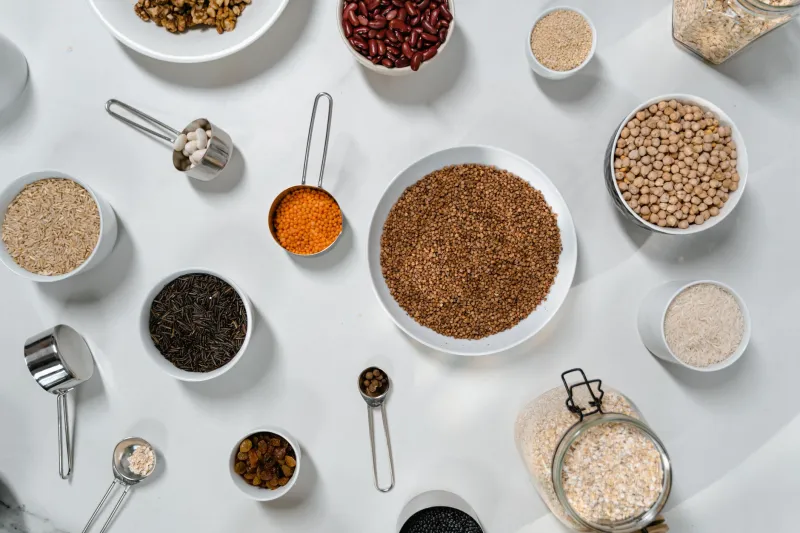
Punjabi cuisine is one of the most ingredient-rich culinary traditions in the world, built on agricultural abundance and centuries of practical nutritional wisdom. Many of its foundational staples are available in Indian grocery stores across the US — and increasingly in mainstream markets — for a fraction of what you'd spend on their trendy equivalents. Here are seven worth knowing.
1. Kala Chana (Black Chickpeas)
The trendy alternative it outperforms: Protein powder and canned garbanzo beans
Kala chana are smaller, darker, and nutritionally denser than the pale chickpeas most Americans know from hummus. The darker pigmentation signals higher concentrations of anthocyanins — the same antioxidant class that makes blueberries worth eating. They also carry a lower glycemic index than regular chickpeas, meaning they digest more slowly and produce a gentler blood sugar response.
Protein-wise, a cup of cooked kala chana delivers roughly 15 grams of protein alongside 12 grams of fiber — a combination that very few protein powders can match for satiety. Traditional Punjabi use: soaked overnight, boiled, and tossed with ginger, green chili, and a squeeze of lemon as a morning meal for agricultural workers who needed sustained energy through physical labor.
How to use it in American kitchens: Swap them into any chickpea recipe — roast them for a snack, add them to grain bowls, or simmer them in a spiced tomato broth. They hold their texture better than regular chickpeas when cooked long.
2. Methi (Fenugreek Seeds)
The trendy alternative it outperforms: Chromium supplements and blood sugar support capsules
Fenugreek seeds have one of the most thoroughly researched nutritional profiles of any common spice. Their soluble fiber content — particularly a compound called galactomannan — has demonstrated meaningful effects on post-meal blood sugar regulation in multiple clinical studies. This is precisely why traditional Punjabi households sprinkled fenugreek into bread doughs and lentil preparations rather than treating it as optional.
Beyond blood sugar, fenugreek contains diosgenin, a plant compound with estrogen-like properties that has been used in traditional Ayurvedic and Punjabi postpartum care for centuries. Modern research is increasingly interested in its applications for hormonal balance.
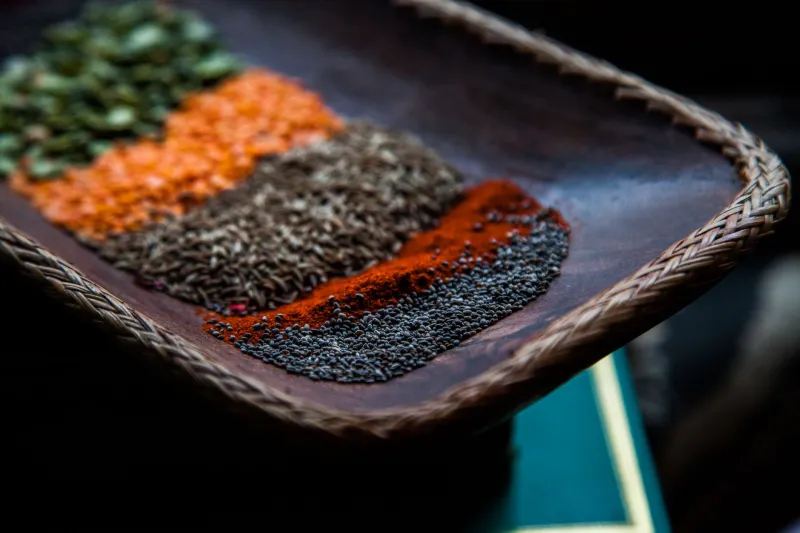
How to use it in American kitchens: Toast seeds lightly and grind them into spice blends. Add a teaspoon to homemade bread dough. Steep in warm water overnight and drink the liquid in the morning — bitter, yes, but effective.
3. Sarson (Mustard Greens)
The trendy alternative it outperforms: Kale and spinach supplements
Mustard greens are the backbone of sarson da saag, one of Punjab's most iconic dishes, and they contain one of the most impressive micronutrient profiles of any leafy green. A single cup of cooked mustard greens delivers over 500% of your daily vitamin K needs, significant amounts of vitamins A and C, and glucosinolates — sulfur compounds associated with cancer-preventive properties in emerging research.
They're also more affordable than kale at most US grocery stores and available year-round. The bitterness that makes them challenging raw mellows considerably with slow cooking, especially when paired with ginger and garlic in the traditional Punjabi style.
How to use it in American kitchens: Wilt them into soups, blend them into pestos with walnuts, or slow-cook them in the traditional saag style with butter and aromatics.
4. Desi Ghee (Cultured Clarified Butter)
The trendy alternative it outperforms: MCT oil and grass-fed butter supplements
Ghee became a wellness trend in the US about five years ago, which means most Americans now have a passing familiarity with it. But the desi version — made from cultured, fermented butter rather than sweet cream — is nutritionally distinct from the commodity ghee on most mainstream shelves.
The culturing process increases butyrate content, a short-chain fatty acid that serves as the primary fuel source for colonocytes (the cells lining your colon). Higher butyrate intake is associated with improved gut barrier function and reduced intestinal inflammation. Traditional Punjabi ghee was always made from dahi (yogurt) butter, a process that took days and produced a product with a noticeably different flavor and aroma than the shortcut versions.
How to use it in American kitchens: Use it as a finishing fat on cooked grains and vegetables, or as your primary cooking fat for high-heat applications where olive oil breaks down.
5. Ajwain (Carom Seeds)
The trendy alternative it outperforms: Digestive enzyme supplements and peppermint capsules
Ajwain is one of the most underutilized spices in Western cooking and one of the most potent digestive aids in the Punjabi pantry. Its active compound, thymol, stimulates the secretion of gastric juices and has demonstrated antispasmodic effects on the gastrointestinal tract in pharmacological research. Traditional use: a pinch of ajwain with warm water after heavy meals, or incorporated into fried and legume-heavy dishes specifically to counter bloating.
The flavor is intense — think thyme crossed with anise, but stronger — so a little goes a long way.
How to use it in American kitchens: Add to bread doughs, sprinkle over roasted vegetables, or steep in hot water with honey for a post-meal digestive tea.
6. Makki di Atta (Stone-Ground Corn Flour)
The trendy alternative it outperforms: Gluten-free flour blends and masa harina
Stone-ground corn flour from Punjab is coarser, less processed, and retains more of the corn kernel's germ and bran than commercial cornmeal or masa. This translates to higher fiber content, more B vitamins, and a slower digestive rate. It's the base of makki di roti, the traditional Punjabi flatbread eaten through winter months — specifically timed to the corn harvest season.
The coarse grind also means it behaves differently in cooking: it requires more water and patience, but produces a deeply satisfying texture and a nutty, earthy flavor that refined corn products simply can't replicate.
How to use it in American kitchens: Use it as a partial substitute in cornbread recipes, as a coating for pan-fried proteins, or in porridges.
7. Gur (Raw Jaggery)
The trendy alternative it outperforms: Coconut sugar, maple syrup, and "raw" honey for mineral content
Jaggery is unrefined cane sugar that retains the molasses fraction stripped away during white sugar processing. That molasses fraction carries iron, magnesium, potassium, and small amounts of B vitamins — making gur a sweetener that actually contributes micronutrients rather than just calories.
Traditional Punjabi households used gur not just as a sweetener but as a post-meal digestive aid: a small piece after lunch was considered standard practice for aiding digestion and preventing the afternoon energy crash. Modern nutritional science points to its iron content as particularly relevant for women, who face higher rates of iron deficiency in the US.
How to use it in American kitchens: Substitute 1:1 for brown sugar in baking, stir into oatmeal, or dissolve in warm water with ginger for a simple tonic drink.
The common thread across all seven of these ingredients is that their benefits aren't theoretical — they're documented in both centuries of practical use and an increasingly robust body of modern research. They're also, almost without exception, more affordable than the wellness alternatives they outperform. Sometimes the most sophisticated nutritional choice is the oldest one.